

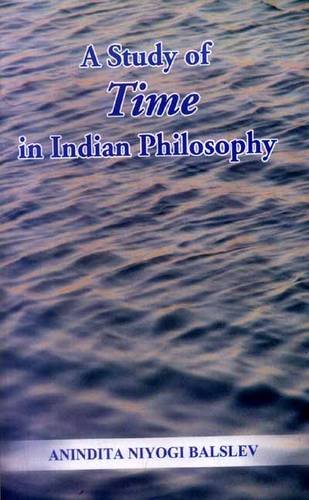
Ebook Info
- Published: 2009
- Number of pages: 200 pages
- Format: PDF
- File Size: 11.39 MB
- Authors: Anindita Niyogi Balslev
Description
Since its first publication, A Study of Time in Indian Philosophy has been acclaimed as having successfully shown ‘the simple falsity’ of such clichés that the Indian view of time is cyclic or that it is exclusively ‘illusory’. Given the variety of views discussed in this work, it is evident that the theme of time is intimately related to such basic concepts as being and becoming, change and causality, creation and annihilation. It has been therefore, observed that this book makes an excellent introduction to the heart of Indian thought. Based on Sanskrit source material, this book is a unique attempt to present a comprehensive review of the widely divergent views about time in Indian thought. Clearly written, it succeeds in setting out the issues of discussion pointedly and cogently. Since the concept of time intervenes with such major concepts as that of causality, being and non-being etc., this book also ”serves as a general introduction to the classic heart of Indian Philosophy.” The author ”has demonstrated a rare ability to translate technical doctrines from one tradition of thought into the language of another”, and thus has made it possible for all those who are concerned with the question of time but do not have access in the Indian conceptual world to appreciate the contributions of Indian thought with regard to this complex question.
User’s Reviews
Keywords
Free Download A Study of Time in Indian Philosophy in PDF format
A Study of Time in Indian Philosophy PDF Free Download
Download A Study of Time in Indian Philosophy 2009 PDF Free
A Study of Time in Indian Philosophy 2009 PDF Free Download
Download A Study of Time in Indian Philosophy PDF
Free Download Ebook A Study of Time in Indian Philosophy